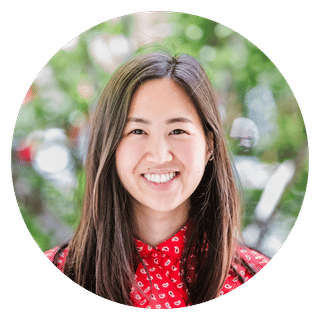
Mai is a “life-long learner”, which is how she publicly justifies her return to academia. In reality, she describes herself as an “indecisive, inconsistent, and promiscuous investigator of cool but also depressing things in life.”
She is a proud second-gen (i.e. first-gen born) Asian American who is easily distracted by her cats and vegan recipe posts on instagram; deeply depressed by inequalities tied to neoliberal capitalist development; and inspired by the power of community. Her professional career has been shaped by her personal life and upbringing—motivated to bring voice to the voiceless, recalling early memories of her own parents struggling to advocate for themselves and to navigate the U.S. work and healthcare system without a social network to rely on.
The need for roots and need for connections has deep relevance to her, leading her to commit to the U.S. despite her increasing frustrations with this troubled nation. The suffering of excess education can be overwhelming for an emotional girl like Mai: sometimes rage and despair feel debilitating when studying the sociological and political economic history of exploitation and violence caused by U.S.-led modernization and how that continues to harm our food system. Yet she persists, with lots of tea, anime binges, and trusted friendships.
Currently, Mai is a PhD student in Development Studies whose research examines farmer knowledge and motivations for soil health stewardship, and the public-private governance arrangements that support place-based collective action for food system transformation. Her work focuses on tensions between agency and structure, and how socio-ecological outcomes are measured and incentivized across different agricultural contexts, particularly in New York and the Northeast region of the United States.
She holds a Master of Environmental Management and an M.A. in Global Affairs from Yale University, and a B.A. in international relations from The George Washington University.
Related Episodes
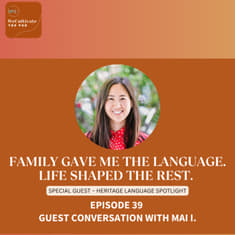
Family Gave Me the Language. Life Shaped the Rest. | Ep. 39 with Mai I.
Family gave us the language. Life shaped everything else. In this episode of WeCultivate: The Pod, Michelle sits down with her longtime friend Mai for a deeply personal conversation on heritage language, identity, belonging, and growing up between cultures as Asian American women. Together, they exp...